6 min read
What is Chinese tea?
Six categories, one plant. A short orientation to how Chinese tea is actually organised.
About
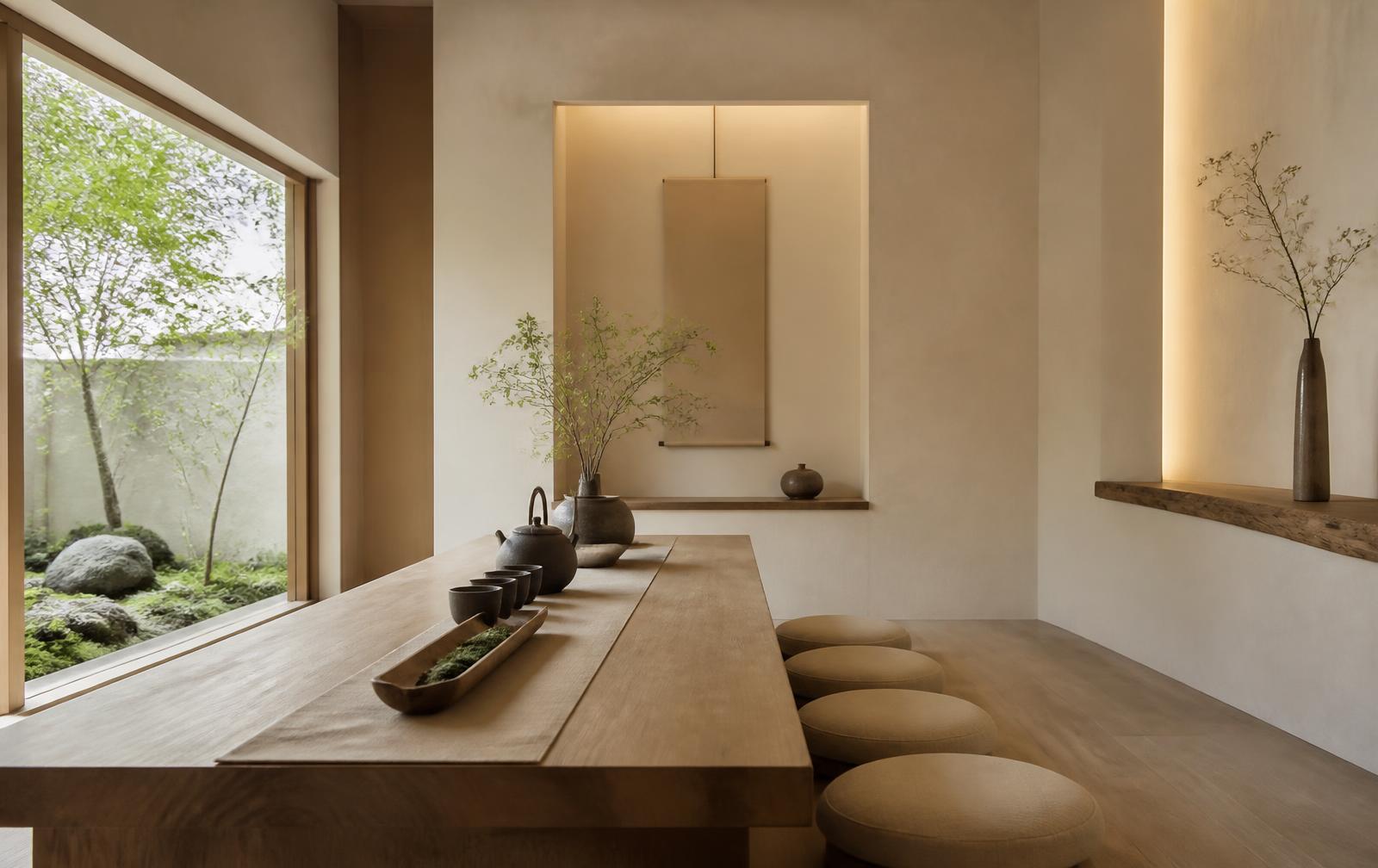
Philosophy
We opened because good Chinese tea was easy to romanticise and hard to buy. What we wanted was simple: a place where a person could taste something excellent, understand why it tasted that way, and take it home without ceremony — or with as much ceremony as they liked.
Nothing here is styled to look ancient. The teas are made now, by people working today, using methods that survived because they still produce the best result. That is the tradition we are interested in: not a costume, but a working practice.
Sourcing
We buy from eleven producers across Fujian, Guangdong, Yunnan and Zhejiang. We visit during harvest, taste through the lots, and pay before the leaf is picked so the risk does not sit only with the farm.
Every tea on this site is a named harvest from a named garden. When a lot is finished, it disappears from the shelf rather than being quietly replaced. Some years a tea we love simply doesn't happen — that is the honest shape of agriculture.
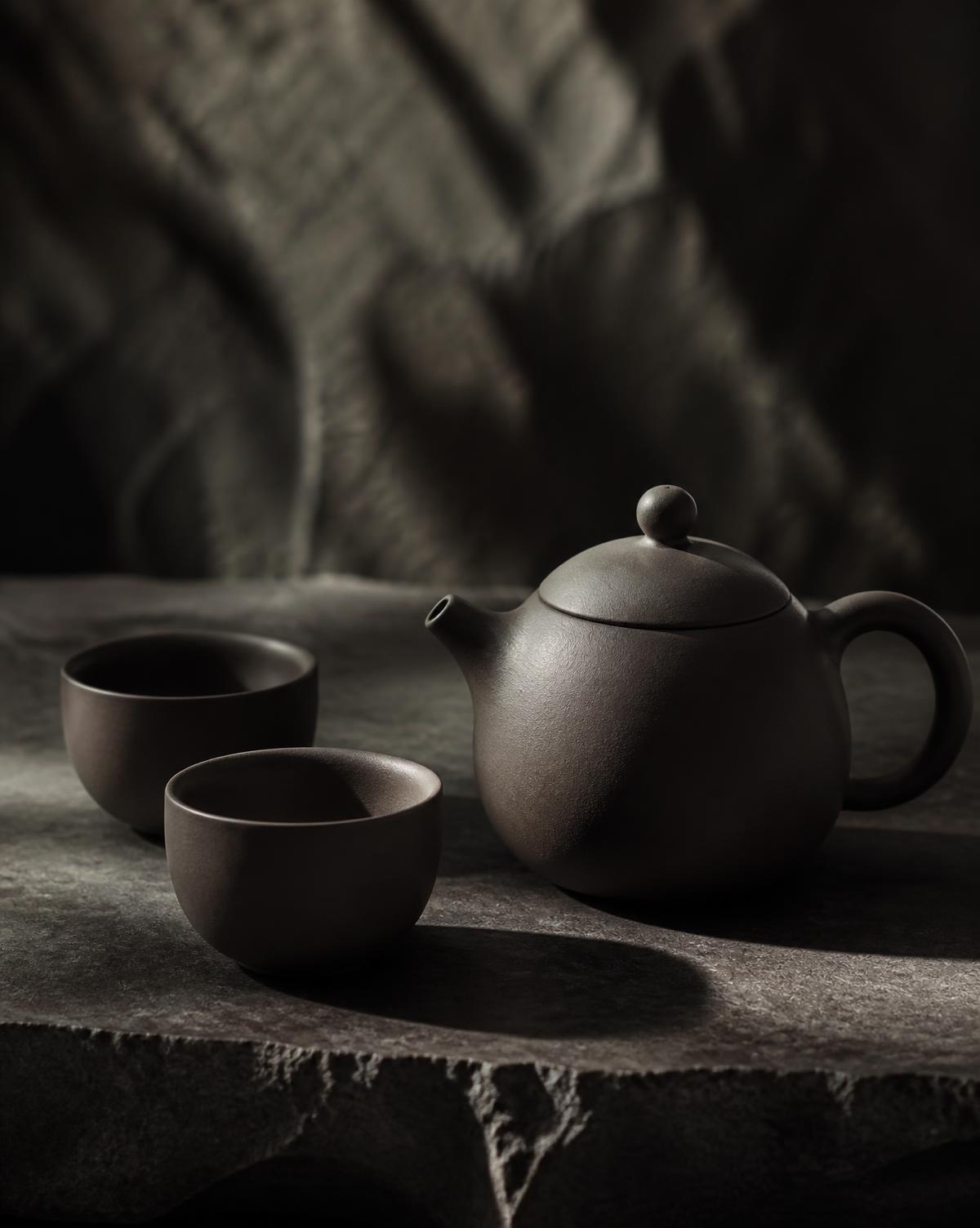
Craftsmanship
Our teaware comes from small workshops in Jingdezhen, Yixing and Chaozhou. We ask for plain forms and honest materials, and we test everything at the table before it reaches the shop — weight in the hand, heat at the rim, how cleanly a gaiwan pours.
Learn
6 min read
Six categories, one plant. A short orientation to how Chinese tea is actually organised.
4 min read
Start from taste, not tradition. A practical way in for anyone beginning.
8 min read
The simplest vessel in Chinese tea, and how to use it without burning your fingers.